

Stimulus is Everything
When I was a pro, I was always chasing that edge; for better or worse.

For this month’s TrainingPeaks Peloton Experience, I wanted to talk about one of the guiding principles in my training philosophy from my days as a pro; keep the body guessing.
I was the guy who wanted to know I’d slightly overachieved in training. In my head, if six hours was good, then six hours and two minutes had to be better than five hours fifty-eight. I’ve got no data to prove that, but mentally it meant something.
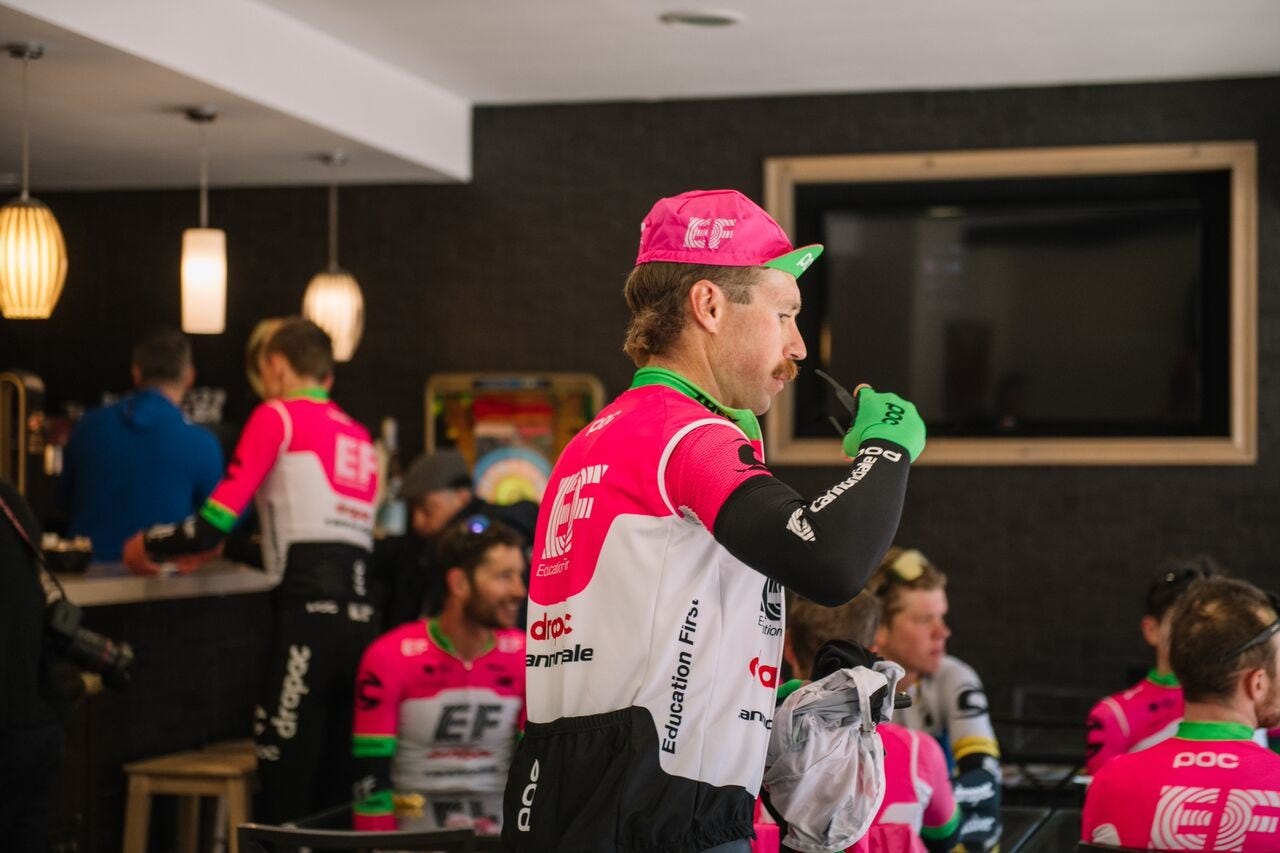
Same with efforts. If the session called for 400 watts, 402 just looked that little bit better. I wasn’t blowing the program apart, not turning a six-hour ride into seven, or a 400-watt effort into 460, but if I could keep things just a touch in the green, it gave me confidence. Maybe it was more psychological than physical, but that matters too.
At the start of a season, you come in fresh, fat, and training feels hard, but the gains are huge. It’s motivating. The problem is what happens when you get fit and get closer to your ceiling. When you’re sitting at 95%, chasing that last 5% can feel brutal.
The body is clever. It figures out what you’re trying to do and becomes efficient at it, whether that’s riding at 400 watts or dropping weight. As cyclists, we obsess over power-to-weight. And yeah, looking back, we didn’t always get it right. There were times we pushed things too far. Under-fuelling, chasing weight, doing things that probably were not sustainable or even beneficial to performance in the long run.
One of the biggest lessons I learned came from my coach, Kevin Poulton.
Stimulus.
Keep the body guessing. Don’t do the same thing for too long. Keep moving the goalposts.
The biggest gains often came when something felt new again, like the body had to wake up and respond. Once we had a solid block of altitude training, we didn’t just stay there longer and longer. We mixed it up. Five days up, two days down. Then back up again. Every time, the body had to readjust. “What’s going on here?” Then you’d get that response again, that boost in red blood cell production.
Same with training. It wasn’t about endlessly pushing harder until things became unachievable. It was about changing the stimulus. Heat, cold, altitude, intensity, duration. Keeping things fresh.
___________________________________
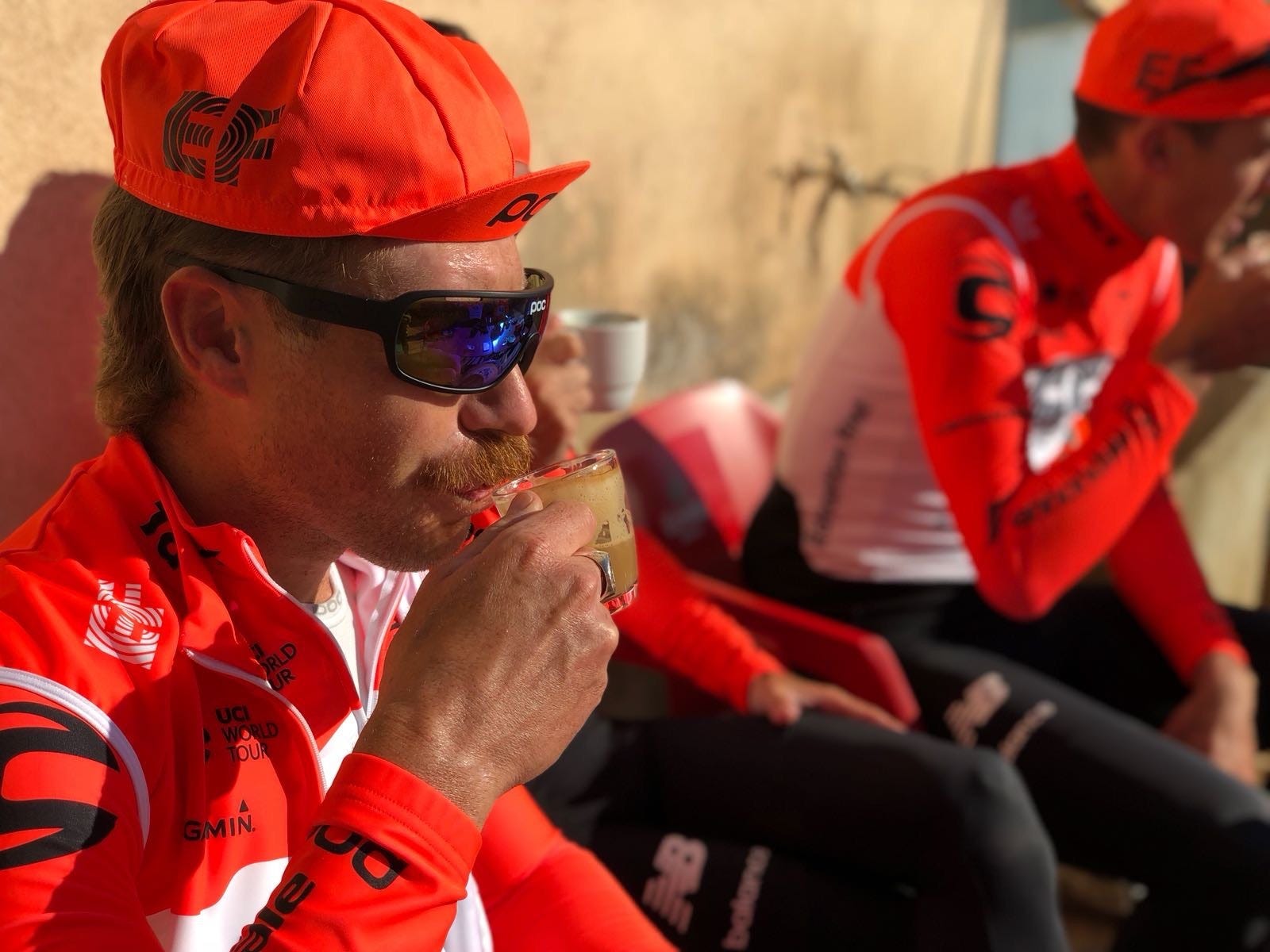
I pushed things pretty far nutritionally, too. Honestly, I think sometimes you need to find the limit to understand where it actually is. Learn what too far feels like. Learn your own body.
Back then I was doing a lot of “sleep low, train low” protocols. The last couple of hours of a long ride would be done on just water. No carbs, no fuel. Empty the glycogen stores completely. Then when you got home, still no carbs. Just protein and fats before bed; “Sleep low.”
Wake up the next morning and do it again. No carbs at breakfast either. Usually I’d have a bulletproof coffee, triple espresso blended with butter and MCT oil, then head out for another endurance ride. Again, zero carbs on the bike. Just let that engine grumble away, crying out for proper fuel until it realises it’s not coming and it adapts to use what it has.
The whole idea was to force the body into ketosis. Basically teaching the body to become more efficient at converting fat into ketones, which could then be used as fuel instead of relying purely on glycogen and carbohydrates.
The thinking at the time was that if you could improve the body’s ability to access fat stores for fuel, you could spare glycogen for the really important moments in races. Long climbs, attacks, hard finales. Instead of constantly topping up with carbs, you were trying to create a body that could survive and still perform while running a little leaner on fuel.
It was hell, you felt flat. Properly flat.
You did not feel strong. You just rolled along surviving. But mentally, it became fascinating. You realised the body could still keep going even when it felt like there was absolutely nothing left in the tank.
Looking back now, we’ve learned a lot about why that probably wasn’t the ideal way to train for racing performance. But I’ll argue it was an incredible stimulus. Not just physically, mentally too.
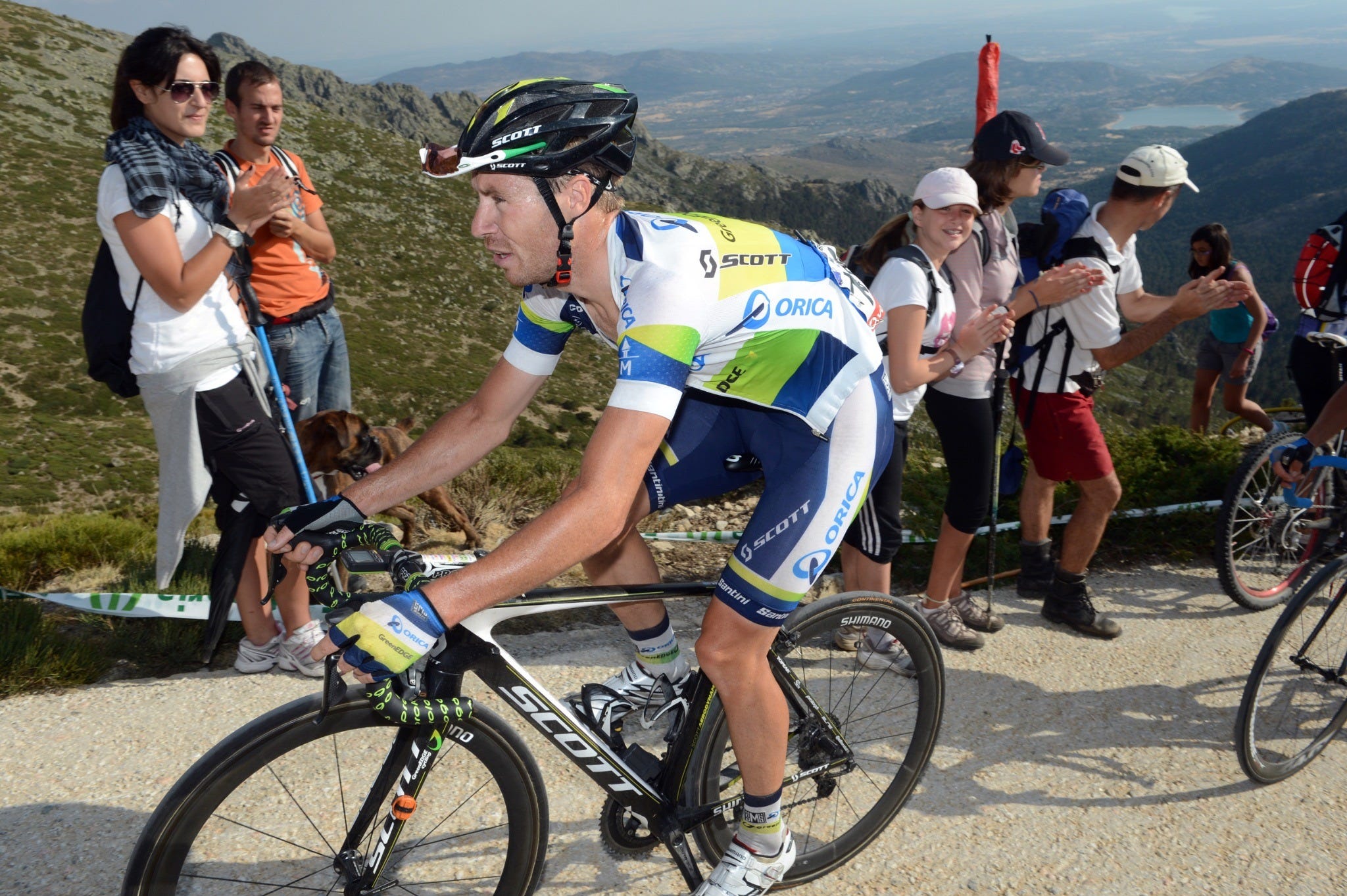
You learned how to suffer. How to push through those feelings telling you to stop. Honestly, I think that helped me later in races. Five hours deep in a Grand Tour stage, staring up at some fuck off mountain top finish, already on your hands and knees. But you had already been to that place before, it wasn’t going to be easy, but you were prepared for that mental battle.
When it came to dropping those off-season kilos, I had another little trick. One cheat day a week. Lock it down for six days, then on the seventh day, go for it. Eat the things you’ve been craving.
Why? Because mentally it keeps the light at the end of the tunnel.
During the week you are less likely to pick away at little things. Bit of chocolate here, packet of chips there, beer after training because “I earned it.” Those little moments add up. Instead, save it for one day. Get it out of the system. Then by Monday, mentally, you’re ready to lock back in again. You almost feel refreshed by it. Motivated again.
The point here is not to take nutritional advice from me. We probably got plenty wrong. It’s more the thinking behind it all.
Changing the stimulus. Keeping the body and mind guessing.
___________________________________
That’s probably the biggest takeaway I carried out of the pro peloton into how I train, or rather “exercise”, now.
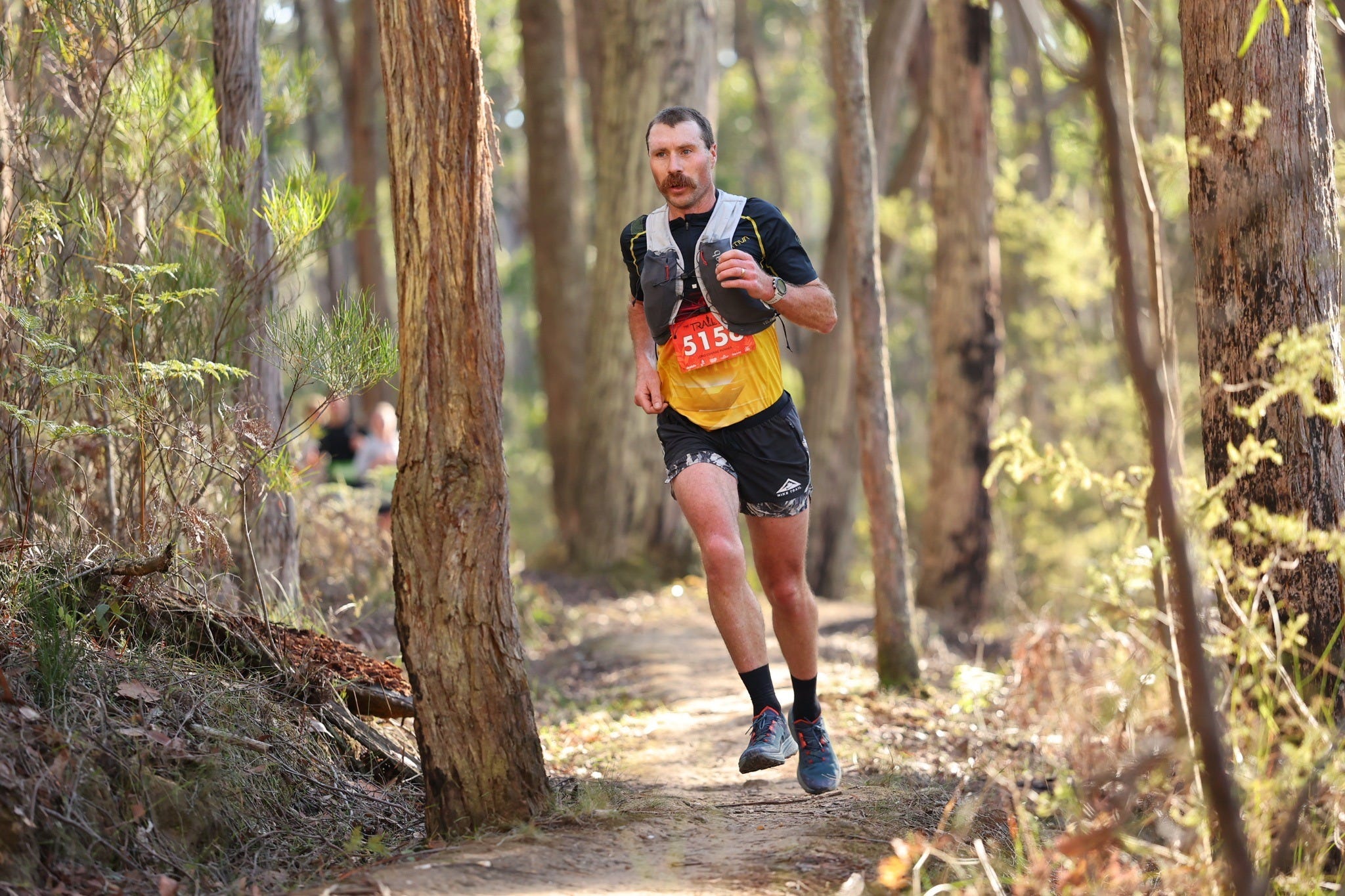
These days it’s a bit more haphazard, but the principle is the same. I keep things interesting. A ride one day, a run the next, gym, hiking, training with the footy team, play golf, whatever fits.
Some days are full gas, other days long and easy. Sometimes I’ll train low on fuel, other times I’m fuelling properly and enjoying it.
Diet’s no different. Too much of anything isn’t great. A few too many beers? Pull it back for a couple of days, dry yourself out. Maybe fast for half a day, then enjoy a big breakfast with the family on the weekend.
Maybe it’s balance.
Or maybe it’s just this. Keep your body and mind guessing.
Cheers,
Mitch